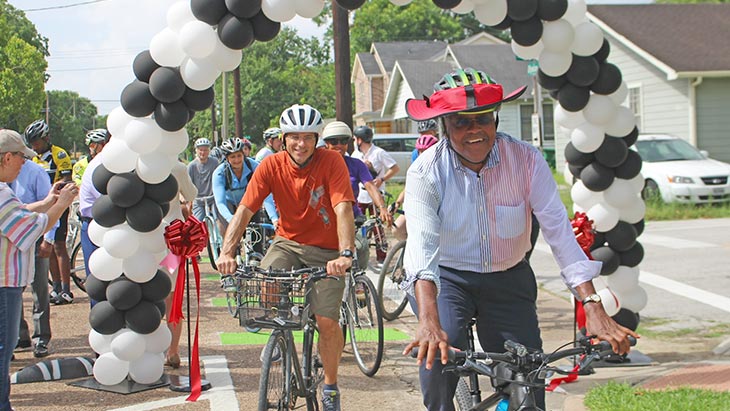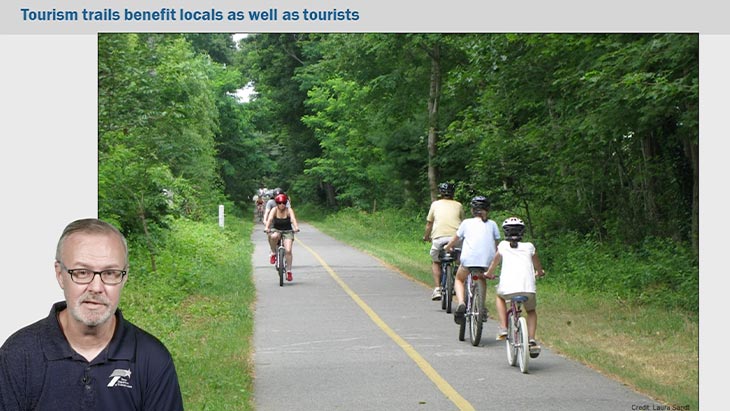
This presentation is designed for those seeking innovative strategies to enhance public and private spaces in response to the transformative impacts of the pandemic. This course discusses the ways in which COVID-19 has accelerated some of the changes necessary to make the world a healthier and safer place. Through a series of recent projects, the team at Able City reimagines citizens’ interaction with public and private space in the middle of a pandemic. In this presentation, they will discuss how a mix of active transportation, viral mitigation, and active building design can help citizens transform their interaction with their cities, their built environment, and prepare our places for a safer return in a post-pandemic world. Participants explore case studies, such as the Laredo College Health and Science Building redesign, a walkable historic plaza tour, a drive-in theater initiative, and an open streets dining experience in San Antonio, to understand how evidence-based design strategies can foster resilience and health in urban environments.
Drawing on the Fitwel program and principles of health and wellness, the course emphasizes holistic approaches that integrate active transportation, community engagement, and economic development. It addresses how pandemics historically and currently shape urban design, from Manhattan’s 1811 grid to modern viral mitigation strategies, and prepares professionals to apply these lessons to future challenges like climate change. Attendees will gain practical tools to implement safer, more inclusive urban spaces that prioritize physical, emotional, and social well-being while adapting to crises.
Learning Objectives
- Prepare for Climate-Adaptive Design: Draw parallels between pandemic response and climate change adaptation to prioritize resilient, sustainable urban design strategies.
- Apply Viral Mitigation Strategies: Implement design and operational strategies, such as social distancing plans and health promotion programs, to enhance safety in public and private spaces during infectious disease outbreaks.
- Integrate Active Transportation: Design walkable and bikeable urban environments, like self-guided historic tours, to promote safe, healthy, and sustainable mobility options.
- Foster Community Resilience: Develop innovative urban projects, such as open streets dining and drive-in theaters, that balance public health with economic and cultural vitality.
- Leverage Evidence-Based Design: Utilize programs like Fitwel to incorporate health and wellness principles into architecture and urban planning for chronic and infectious disease prevention.