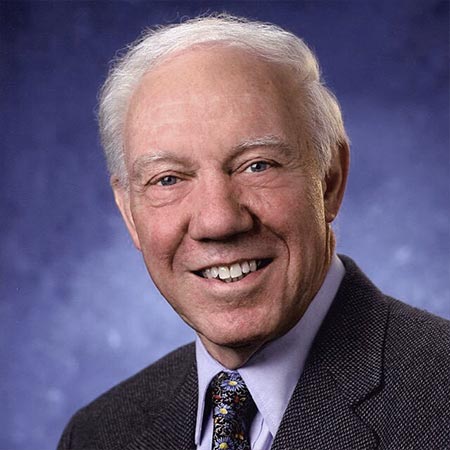
This course presents a unique opportunity to explore the transformative impact of the Safe Routes to School program and the 1991 Intermodal Surface Transportation Efficiency Act (ISTEA) through the lens of the late Honorable James Oberstar’s personal and legislative journey. In never-before-released footage, Congressman Oberstar, widely regarded as a pivotal figure in advancing trails and active transportation in the United States, shares his deeply personal connection to bicycling, sparked by his wife’s battle with breast cancer, and how it inspired his advocacy for groundbreaking federal transportation policies. This session traces the origins of ISTEA and Safe Routes to School, highlighting their roles in reshaping urban mobility, promoting equitable access to active transportation, and fostering healthier, more livable communities.
Participants will gain insights into how Oberstar’s vision led to the allocation of billions in federal funding for bicycle infrastructure, the establishment of national and state bicycling coordinators, and the creation of policies that prioritized user-friendly transportation systems. The course delves into the Safe Routes to School initiative, which emerged from alarming data on childhood obesity and car-dependent travel, demonstrating how targeted policy interventions can shift generational habits toward active lifestyles. By examining these landmark initiatives, attendees will learn practical strategies for integrating active transportation into urban planning, designing inclusive infrastructure, and advocating for policies that enhance community well-being and environmental sustainability.
Learning Objectives
- Understand the Impact of ISTEA and Safe Routes to School: Analyze how the 1991 Intermodal Surface Transportation Efficiency Act and the Safe Routes to School program revolutionized urban mobility by prioritizing bicycle infrastructure and active transportation, and apply these principles to modern urban planning challenges.
- Integrate Active Transportation into Urban Design: Learn strategies to incorporate bicycle and pedestrian infrastructure into city planning, drawing on Oberstar’s framework for leveraging federal funding and community engagement to create safe, accessible urban environments.
- Advocate for Policy-Driven Mobility Solutions: Develop skills to craft and promote policies that support active transportation, inspired by Oberstar’s approach to building coalitions and securing legislative support for sustainable urban mobility.