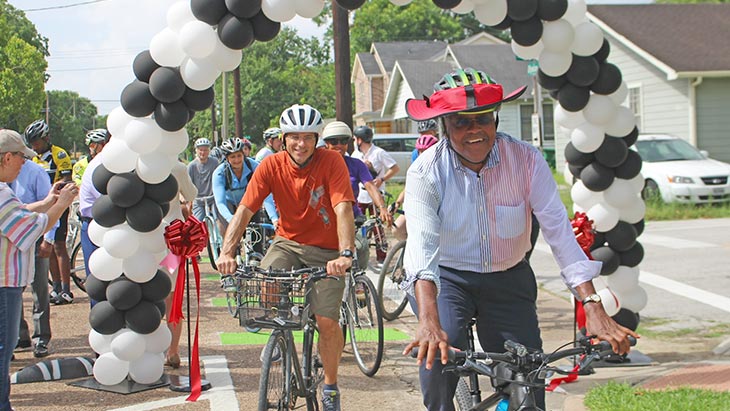
Prepare to be inspired by the remarkable journey of Renée Moore, a passionate advocate who transformed from an adult who couldn’t ride a bike into a champion for inclusive cycling. In this engaging session, Renée Moore, joined by session host Lauren Simcic, AICP, will share actionable strategies to foster diverse and equitable cycling communities. While cycling may often seem homogenous, this course highlights how to expand active transportation to include people of all ages, races, genders, and abilities. Learn how to break down barriers and create welcoming biking environments that reflect the diversity of your city.
Through Renée’s personal story and practical insights, participants will explore six key strategies—educating, eliminating, welcoming, partnering, promoting, and hosting—to enhance inclusivity in cycling initiatives. From addressing assumptions about biking knowledge to partnering with local organizations and promoting events in diverse spaces, this session provides tools to ensure biking is accessible and appealing to all. By embedding equity into the foundation of urban planning and transportation projects, attendees will discover how to create vibrant, inclusive cycling communities that benefit everyone.
Learning Objectives
- Apply Inclusive Strategies: Implement six practical approaches (educating, eliminating, welcoming, partnering, promoting, and hosting) to create diverse cycling communities that engage people across age, ethnicity, and ability.
- Address Barriers to Access: Identify and eliminate common barriers, such as lack of bike ownership or knowledge, to make cycling accessible to underserved populations.
- Promote Equitable Urban Design: Integrate equity into transportation planning and infrastructure design to ensure bike lanes, trails, and facilities accommodate diverse users, including those with disabilities or slower mobility.
- Foster Community Partnerships: Develop partnerships with local organizations, businesses, and community groups to expand outreach and promote cycling events to diverse audiences.
- Evaluate Program Impact: Assess the inclusivity of existing cycling programs and adapt strategies to ensure they reflect the community’s diversity and meet equitable outcomes.