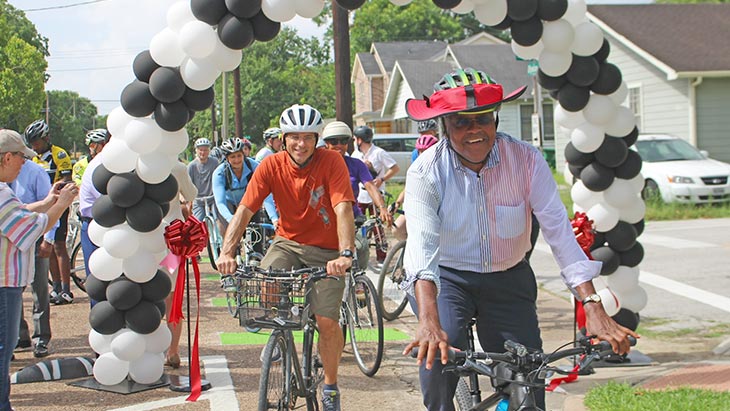
America has a plentitude of rail-trails (25,000 miles) and multi-use trails (40,000 miles) that deliver joy and safe outdoor recreation to millions of people. To fully unlock their potential for economic, environmental, and health benefits, they need to be connected into equitably-developed trail networks and spines. This session will describe the opportunities created by shifts in public attitudes and behaviors and significant new funding resources. The session will also provide examples of comprehensively planned networks like the Baltimore Greenway and long-distance trails like the Great American Rail-Trail and the strategies employed to develop them.
NRPA Core Competency Areas:
Financial Management – Fiscal Policy & Planning, fees & charges, grants & sponsorships, fiscal & asset controls etc.
Planning – comprehensive or master planning, strategic planning, feasibility studies etc.
Organization & Administration – Communications, marketing, community relations, application of technology etc.
Identification of Need: There is a need to connect America’s trails into comprehensive trail networks and spines. With new resources and greater public will, this is more possible now than ever.
Learner Assessment Statement: The session is intended to share the benefits of connecting trails into comprehensive networks and spines – and the resources available to develop them. The best measure that the session is of benefit is if participants advocate in their own roles for connecting active transportation infrastructure in their own communities – and access the resources shared during the session, including the TrailNation Playbook and Trail Building Toolbox.
Learning Objectives:
- Explain the shifting landscape and opportunities created by the pandemic to secure greater public buy-in and resources for developing trail networks.
- Recognize the benefits of connecting trails into networks in terms of mode shift, equitable opportunity and economic development.
- Name examples of comprehensively-planned trail networks and long distance spines and the strategies employed to develop them