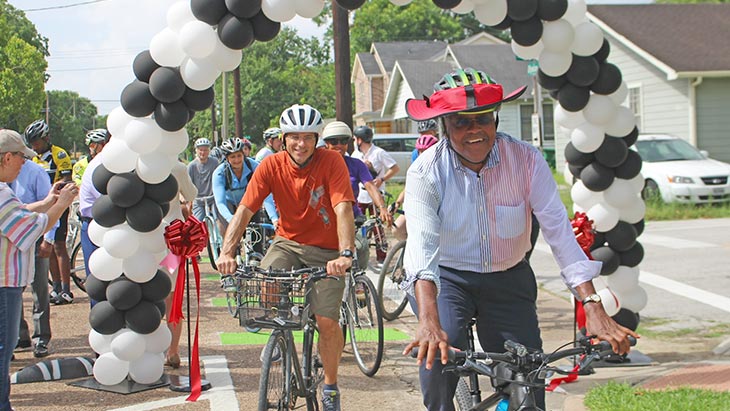
Dr. Crompton has studied the impact of parks, greenways and other amenities on proximate properties for years and is a noted author on the topic. Come hear from a distinguished expert on the relationship between trails and property values.
Course Overview
This presentation explores the economic and social impacts of trails on property values and their implications for urban infrastructure and planning. Drawing on research and practical insights from Dr. John Crompton, a distinguished professor and expert in recreation, tourism, and urban policy, this course provides actionable strategies for integrating trail systems into community development. The presentation bridges economic analysis, urban design, and public policy.
Learning Objectives
- Evaluate the economic impacts of trails on property values using hedonic analysis and empirical data from U.S. case studies, enabling data-driven planning decisions.
- Understand the historical and legislative drivers of trail development, including the 1983 National Trail Systems Act and federal transportation funding mechanisms.
- Differentiate the value propositions of trails versus parks, focusing on access-driven property value enhancements for urban and transportation planning.
- Analyze case studies, such as the Barton Springs Greenbelt and the High Line, to inform trail design, cost-benefit analysis, and infrastructure integration.
- Develop strategies to address community resistance and political challenges in trail retrofitting, ensuring stakeholder alignment and project success.
- Calculate fiscal implications, including tax revenue generation and maintenance costs, to justify trail investments in municipal budgets.
Key Topics
- Legislative and funding frameworks for trail development, including federal transportation enhancement grants.
- Application of hedonic analysis to quantify trail impacts on property values, with practical tools for planners and engineers.
- Design considerations for trail systems to maximize economic benefits and minimize community disruption.
- Case studies of trail projects, highlighting engineering and planning challenges and solutions.
- Strategies for stakeholder engagement and navigating political landscapes in trail implementation.
- Financial modeling for trail projects, including capital investment, maintenance costs, and tax revenue impacts.