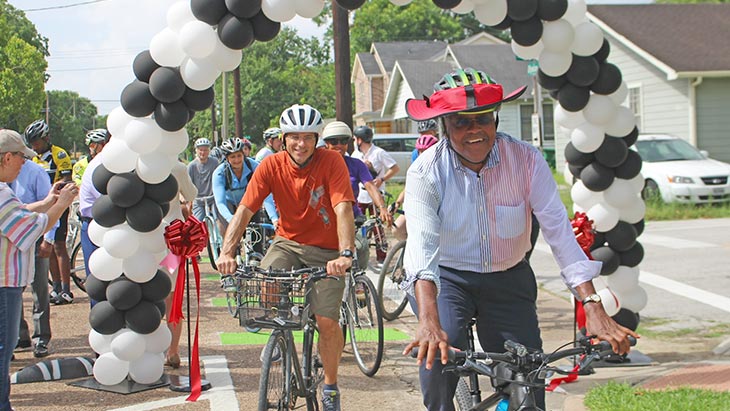
This course is designed for those seeking to integrate micro-mobility solutions into urban transportation frameworks. Over the past eight years, the micro-mobility industry has rapidly evolved, offering innovative ways to enhance public and active transportation. Participants will explore how docked bike sharing systems fit within the micro-mobility landscape and complement public urban transportation, focusing on their role in fostering equitable, sustainable, and efficient communities. Through real-world case studies, such as the Fort Worth Bike Sharing system, which expanded from 46 to 74 stations and introduced electric-assist bikes, learners will gain insights into how these systems improve community well-being, provide equitable access, and address first- and last-mile challenges.
The course will delve into the differences between docked and dockless bike sharing systems, highlighting the reliability, safety, and community benefits of docked systems. Participants will examine how strategic infrastructure design, such as protected bike lanes and traffic calming measures, supports micro-mobility and enhances urban mobility. By analyzing practical examples, including stories of users like “Jeff,” a home-insecure individual who relies on bike sharing for daily mobility, learners will understand the human impact of these systems. The course will equip professionals with the knowledge to make informed decisions about supporting micro-mobility through infrastructure, design, and policy, fostering healthier, more connected, and equitable urban environments.
Learning Objectives:
- Describe what micro-mobility is and how it integrates with and supports urban transportation systems to enhance community connectivity.
- Recognize the differences between micro-mobility options, including the unique benefits of docked bike sharing systems in terms of reliability and management.
- Discuss how supporting the micro-mobility industry can enhance public and active transportation, contributing to community health, economic benefits, and environmental sustainability.
- Evaluate the role of infrastructure design, such as protected bike lanes and traffic calming measures, in ensuring safe and equitable access to bike sharing systems.
- Develop strategies to address first- and last-mile transportation challenges through the integration of docked bike sharing systems with existing public transit networks.